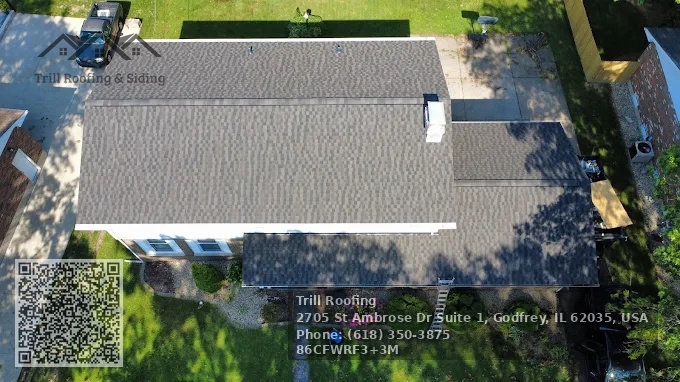
How Roofing Repair Companies Fix Flashing and Prevent Leaks
Walk any roofline after a hard rain and the story is the same: leaks almost never start in the middle of a shingle field. Water finds the edges. It tests the joints where materials overlap at chimneys, valleys, skylights, sidewalls, and vents. These are flashing details, and they are where experience separates a quick patch from a durable repair. Roofing repair companies spend a disproportionate amount of their time on these intersections because a roof is a system, and the system fails at its seams.
What flashing actually does
Flashing is a transition piece. It bridges different planes and materials so water moves off the roof without slipping into the structure. On a basic asphalt roof, you might see step flashing along sidewalls, counterflashing at chimneys, valley flashing where two slopes meet, apron flashing at headwalls, and pipe boots at penetrations. Each detail has its own choreography. Step flashing needs to interleave with shingles. Valley flashing must carry concentrated flow. Counterflashing has to chase into masonry, not just smear on top with sealant. When a leak appears below one of these points, the root cause is often a break in that choreography, not a global failure that requires roof replacement.
A good roofing contractor knows that metal is only part of the equation. Underlayment, shingle cut patterns, fastener placement, and even how you fold a corner dictate how long the assembly resists wind and water. On steep-slope assemblies, capillary action and wind-driven rain can move uphill, so mechanical laps and shingle coverage matter more than thick beads of caulk.
How leaks announce themselves
Homeowners often call after they notice a stain in a ceiling or a bubbling of paint near a chimney. The visible mark is rarely right under the breach. Water follows framing and surfaces until it finds a place to drip. I once traced a stubborn spot in a living room to a two-inch gap in counterflashing on the uphill corner of a masonry chimney. The water rode the step flashing, jumped to the roof deck, ran twenty feet along a rafter, then dropped onto a light can. The shingles were fine. The underlayment was fine. One missed bend on a counterflashing return was all it took.
Timing helps. If a leak shows up during wind-driven storms from the northwest, look at north and west exposures and details that face that wind. If it appears after ice, suspect headwalls and valleys where ice dams could push water up and under shingles. Roofing companies use this pattern recognition to triage, so the right repair happens in hours, not days.
The diagnostic walk
Experienced roofing contractors do not default to replacement when targeted roof repair will solve the problem. Diagnosis starts with the roof’s history and then a methodical inspection. Crews move slowly, eyes at flashing lines, hands on transitions. They look for lifted shingle corners, slipped step flashing, pinholes in valley metal, crimped rubber boots at pipes, and mortar joints that no longer grip counterflashing. They lift with care to avoid breaking brittle shingles, and they track water paths, looking for dust trails or fungal growth that betray repeated wetting.
On complex roofs, a controlled water test may follow. One tech wets the uphill side of a detail while another watches the suspect area in the attic. The trick is to start low and move up slowly, isolating the exact failure instead of soaking the entire assembly. Thermal cameras help after a storm, when hot sun drives evaporation that’s visible as cool streaks, but tools never replace trained eyes.
Common flashing failures and how pros fix them
Step flashing along sidewalls. Step flashing should be one piece per shingle course, with each piece lapped at least two inches over the one below and covered by the next shingle. Problems crop up when older roofs used long “one-piece” L flashing, or when painters or siders pried step flashing loose. Repairs require removing shingles along the wall and installing new step flashing correctly, interleaved with fresh shingles. If the siding terminates too tight to the roof, a crew may saw-kerf a relief so water has a visible path out. Caulk at the siding joint is a courtesy, not the primary defense.
Headwalls and apron flashing. Where a roof dies into a vertical surface, water piles up. Apron flashing has to extend far enough under the shingles and turn up the wall to a proper height, usually 4 to 6 inches, with kickout flashing at the bottom to shunt water away from the wall. When kickouts are missing, stucco and sheathing rot quickly. Roofing repair companies fabricate and slip in a kickout behind the first piece of step flashing, then replace the bottom courses of shingles to lock it in. This single detail has saved more sheathing and interior drywall than any other small fix I know.
Chimney flashing and counterflashing. The gold standard for masonry is two-part: step or pan flashing at the base, with separate counterflashing that is reglet-cut into the mortar joints at least an inch deep, then bent and mortared to lock. Too often, roofers wrap the base with sheet metal and smear the top seam with tar. That fails as soon as the sealant cracks. Proper repair means grinding a neat reglet, installing lead, copper, or coated steel counterflashing in segments, and re-pointing with non-shrink mortar. On the uphill side of a chimney, a saddle or cricket is mandatory once the chimney width approaches two feet. Without it, snow and debris stack behind the chimney and force water sideways under step flashing. Crews frame and sheath a cricket, wrap it with self-adhered membrane, then install step flashing and counterflashing as usual. It looks like extra work, and it is, but it prevents chronic leaks.
Valley flashing. Valleys carry more water than any other line on the roof. Open valleys use exposed metal with shingles trimmed back. Closed-cut valleys lap shingles from one plane over the other. Woven valleys interlace shingles, which works only with flexible three-tab shingles and gentler slopes. Problems show up where nails sit too close to the valley centerline, or where granules have abraded through thin valley metal. A durable repair removes the affected courses back past the damaged area, replaces or extends the valley metal with at least 24 inches of width, and keeps nails out of the valley by a strict margin, usually 6 inches from the centerline. When reroofing, some roofing companies prefer factory-painted steel or aluminum valley flashings because they shed water better than mineral-surface underlayment alone, especially in climates with leaves and needles that slow drainage.
Pipe boots and small penetrations. Plastic flashings Roofing repair companies crack with UV exposure within 8 to 12 years in harsh sun. Neoprene boots dry out and split against hot pipe vents. I carry retrofit lead jacks and silicone boots rated for higher temperatures. Swapping a pipe boot takes less than an hour if the shingles still have flex. The key is to slide the upper flange under the next course of shingles, seal fasteners sparingly with a compatible sealant, and ensure the boot’s collar is tight to the pipe. For square bases with four fasteners, I prefer ring-shank or gasketed screws to reduce pull-out in wind.
Skylights. A well-made skylight has its own flashing kit that integrates with shingles, step by step, at the curb or frame. Leaks rarely come from the glass. They start where a DIYer or hurried crew tried to flash the skylight like a big pipe. The cure is a manufacturer’s flashing kit, correctly layered with head flashing, side flashings, and apron flashing, plus an ice and water shield apron on the uphill side. If the skylight is decades old and the frame is warped, replacement becomes more cost-effective than heroic flashing work.
Metal roofs and standing seams. Low-profile vents or satellite footings drilled into seams are common sins. On metal, you cannot rely on surface caulks for long. Roof repair means using butyl-backed closure strips, color-matched rivets, and boots designed for ribbed panels. On standing seam roofs, a competent roofing contractor will often fabricate a custom curb and use clamps that attach to seams without piercing the panels. Any sealant is backup to mechanical engagement.
Why sealant is not the hero
Homeowners love the idea of a tube of magic. Sealant has a role, but it is not structure. It moves, shrinks, and eventually lets go. On a hot roof, it can reach 160 to 190 degrees. That kind of thermal cycling chews up caulk lines long before the shingles wear out. Roofing repair companies use sealant to dress laps and protect cut edges, to bed small flashings against irregular masonry, or as a weathering aid over nail heads. The water stop belongs to the shingle lap, the metal overlap, the membrane bond, and gravity. If you see a chimney with hand-troweled tar oozing down the sides, that chimney needs counterflashing, not more tar.
Underlayment, the hidden ally
Flashing does the steering, but underlayment provides a continuous safety net. Self-adhered membranes shine under metal valleys, around chimneys, and beneath low-slope penetrations. I like to double up membrane at the uphill corners of chimneys and skylights, where ice and water hammer the detail. At eaves in cold climates, codes require an ice barrier from the edge to at least 24 inches inside the warm wall. Where the slope dips near the minimum for shingles, a wider belt of membrane under headwalls gives you another chance if wind drives water uphill.
On repairs, the art is tying new membrane into old without creating reverse laps. Sometimes that means carefully lifting shingles and cutting back old felt so the new self-adhered layer extends beneath and down-slope. When the deck is compromised, you cannot glue to rot. Replace the bad sheathing, then run membrane onto sound wood. Roofing companies that rush this step often buy a second call-back.
Materials matter, but so does context
Flashings fail early when the wrong metal meets the wrong environment. Near the coast, uncoated steel rusts quickly. In valleys with acidic leaf litter, thin aluminum pits. Copper plays well with most materials but will corrode near cedar if water carries acids between them. Galvanic reactions happen when you put copper and zinc-coated steel in direct contact. Professional roofing contractors think about the whole assembly: metal type, fasteners, membranes, and adjacent materials. They also match profiles. A tall headwall with heavy snow loads wants taller upturns and wider apron legs. A low curb on a low-slope roof might need soldered seams rather than lapped ones.
Roof age and when repair gives way to replacement
Not every flashing fix makes sense on an old roof. If shingles have lost most of their granules or crack when lifted, the act of repairing may cause more harm. A twenty-year-old asphalt roof at the end of its life might spring a new leak six months after a perfect chimney flashing repair, simply because the field shingles can no longer fight wind and water. This is where judgment and candor matter. Reputable roofing companies will show photos, explain the risk, and price options. They will propose a targeted roof repair with no warranty beyond the detail, or they will suggest partial or full roof replacement if the surrounding field cannot support a lasting fix.
On newer roofs with isolated installation mistakes, flashing repairs are efficient and durable. I have corrected day-one errors such as missing kickouts, nails through valley centers, and reversed laps that caused chronic drips in year two. Once corrected, those roofs ran another decade without issue.
Climate shapes the detail
A flashing that works in Phoenix does not automatically work in Minneapolis. Freeze-thaw cycles pry at joints. Ice dams push water up-slope. High UV bakes sealants and plastics. High-wind zones demand more fastening and deeper laps. Roofing contractors tune details to the climate:
- Cold regions benefit from larger step flashing laps, ice barrier membranes up walls and around penetrations, and crickets behind chimneys wider than 18 to 24 inches. Kickout flashing is non-negotiable on any wall that shows ice dam staining.
- Coastal and high-wind areas favor mechanically locked seams and corrosion-resistant metals. Edge details get more fasteners, and valley centerlines are kept cleaner and wider to move wind-driven rain quickly.
The choreography of a proper flashing repair
Homeowners often ask what to expect on site. A well-run flashing repair has a predictable rhythm that keeps the structure dry and the work clean.
- Protect first. Crews set tarps, move patio furniture, and mask nearby siding where grinders will throw dust. Inside the attic, they clear insulation away from suspect areas to watch for any active drips during testing.
- Open carefully. Shingles are unsealed and lifted with flat bars, not ripped. Nails come out cleanly to save as many courses as practical. This preserves the field and reduces how much of the roof needs to be touched.
- Rebuild the membrane. New self-adhered underlayment is tied into the existing in a shingle-fashion sequence, always respecting water flow. Corners get pre-formed patches, not just diagonal slits, to prevent fishmouths.
- Install metal with intent. Flashing pieces are cut and hemmed so edges are smooth and resistant to capillary draw. Fasteners are placed high and covered by subsequent laps or courses, never through the exposure if it can be helped. Where counterflashing meets masonry, reglets are cut to depth and sealed after the metal is locked in.
- Test and seal only where needed. Before finishing shingles, crews often run a hose in a controlled test. After passing, they set shingles, seal tabs sparingly where required by manufacturer spec or cold-weather installs, and clean the site.
Each of those steps seems small. Together, they make the difference between a year of peace and a string of callbacks.
Coordinating with siding and masonry
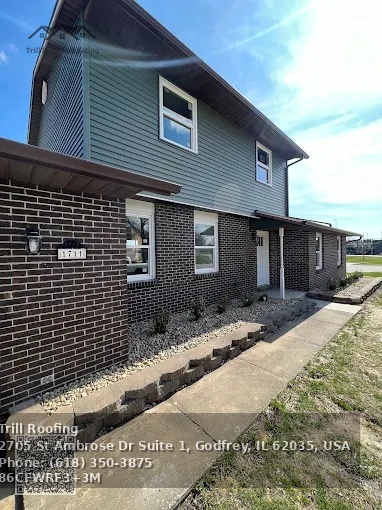
Flashing lives at the intersection of trades. A roofing contractor can do everything right and still see a leak return if the siding or masonry traps water. Fiber cement and wood siding should stop above the roof by at least an inch to leave a drainage gap. Brick needs weep paths, not painted mortar that dams water. On stucco walls, kickouts prevent black stains and soft sheathing at the bottom corners. Experienced roofing companies build relationships with siding and masonry pros so counterflashing slots are cut cleanly and patched correctly, and so cladding is reinstalled with the right clearances. When I see paint scraped onto step flashing, I flag it for the homeowner. That paint will crack and trap water exactly where a clean metal-siding lap should breathe.
When codes help, and when they do not
Building codes set minimums. They rarely capture regional nuance or the kind of corner welding you learn after your tenth ice-dam season. Codes will call for metal thickness, lap dimensions, and underlayment coverage. Good roofing contractors exceed those where the building’s design or exposure warrants it. A shallow pitch near a headwall might get an extra course of membrane beyond code. A north-facing valley under trees might get heavier-gauge metal. Any time the code detail and manufacturer’s instruction differ, follow the stricter requirement and document it.
Costs, expectations, and warranties
Homeowners appreciate numbers. Flashing repairs vary widely because access, slope, and surrounding conditions change job to job. Reflashing a small pipe might run a few hundred dollars. Installing a proper chimney cricket and full counterflashing set can climb into four figures, especially if scaffolding is needed for a steep roof. A skylight flashing kit install falls between, depending on whether the unit is being replaced. Roofing contractors usually warranty their flashing workmanship for one to five years on repair work, with materials carrying their own manufacturer warranties. If a roof is nearing end of life, some contractors limit warranties on repairs because the surrounding field can undermine even perfect flashing.
A clear estimate should spell out the scope: how many shingle courses will be opened, what metals and membranes will be used, whether masonry cutting is included, and how finish surfaces will be protected. Roofing companies that do this work regularly will also note potential change conditions, like discovering rotten sheathing once shingles are lifted.
Preventive habits that keep you off the bucket brigade
The best leak is the one that never forms. You do not need to climb on your roof to keep flashing healthy. Binoculars and a thoughtful walk after a storm go a long way. Look for shingle tabs lifted at sidewalls, rust streaks under valley lines, and stains below eaves where kickouts should push water into gutters. Cut back overhanging branches that drop needles and slow valley drainage. Clean gutters before winter so ice dams have less ammunition. Every three to five years, ask a roofing contractor to perform a maintenance inspection. Roofing repair companies can reseal exposed fasteners on metal roofs, adjust loose counterflashing, and swap aging pipe boots before they split. This work is inexpensive insurance.
How a repair fits into the bigger roofing picture
Flashing is not isolated work. Good detail lives inside a system that includes ventilation, insulation, and drainage. If an attic runs hot because vents are blocked, snow melts unevenly and refreezes at eaves, forcing water up and into headwalls and valleys. If gutters overflow, water splashes back behind step flashing. When roofing contractors propose a flashing repair, they often suggest small system tweaks. Adding a baffle to keep insulation from choking a soffit vent, extending a downspout, or trimming back a shingle cut at a valley to open the waterway can prevent the next leak.
When a roof has multiple layers of shingles, flashing work gets trickier. Step flashing has to thread behind two layers, and old metal might be buried. At that point, you are often paying more to work around past shortcuts. Many roofing companies will recommend stripping to the deck around the repair zone to do clean work. That localized tear-off costs more than a surface patch, but it restores proper layering so repairs last.
What sets reliable roofing companies apart on flashing work
You can spot a pro by how they treat details you will never see from the ground. Hems on exposed edges. No face-nailed valley centers. Counterflashing cut to consistent depths, with clean mortar joints and no smeared sealant. Kickouts that form a smooth channel, not a jagged chunk of bent scrap. Membrane patches at inside corners shaped to match, not slashed and covered with hopes and mastic. The best roofing contractors document their work with photos so you can see these details later. They are comfortable explaining why a repair is better than a roof replacement today, or the other way around, and they will name the trade-offs in cost and risk.
I have also learned to trust crews that carry more than one metal on the truck. If every flashing solution is galvanized steel regardless of setting, that is a red flag. Crews that arrive with aluminum, coated steel, and lead, along with butyl and silicone sealants for different substrates, are ready to solve the problem at hand, not the last one they did.
A brief word on roof installation and legacy mistakes
Many flashing headaches trace back to the original roof installation. On production schedules, it is tempting to flash a chimney with one big pan and a heavy smear of sealant. It looks clean on day one and saves an hour. Five winters later, the sealant fails, water finds the corner fold, and the living room ceiling stains. The extra hour to cut reglets and tuck counterflashing, or to fabricate a cricket, is what separates an average job from a roof that stays dry for twenty years. If you are planning a new roof installation, ask pointed questions about flashing. Have the roofing company describe their step flashing sequence, whether they install kickouts at every sidewall termination, and how they treat uphill chimney sides. The answers will tell you more about the quality of the job than the shingle brand ever will.
The bottom line
Flashing is where roofs keep their promises. Any contractor can nail shingles in straight lines. The hard parts are the folds, laps, and joints that make water do what it already wants to do, which is flow downhill and off the house. Roofing repair companies live at those hard parts. They trace stains backward to a missed hem, a misplaced nail, a sealant bead used as structure. Then they fix the geometry so gravity and time are on your side again.
If you are staring at a ceiling stain or a suspicious damp patch on a wall, call a roofing contractor who treats flashing as craft, not caulk. Ask for photos before and after. Expect them to talk about layering and water paths, not just price and color. Repairs that respect those fundamentals hold tight through wind, ice, and summer sun. They also buy you the time to schedule a thoughtful roof replacement when it is truly needed, instead of rushing into it because one seam failed in a storm.
Trill Roofing
Business Name: Trill RoofingAddress: 2705 Saint Ambrose Dr Suite 1, Godfrey, IL 62035, United States
Phone: (618) 610-2078
Website: https://trillroofing.com/
Email: admin@trillroofing.com
Hours:
Monday: 8:00 AM – 5:00 PM
Tuesday: 8:00 AM – 5:00 PM
Wednesday: 8:00 AM – 5:00 PM
Thursday: 8:00 AM – 5:00 PM
Friday: 8:00 AM – 5:00 PM
Saturday: Closed
Sunday: Closed
Plus Code: WRF3+3M Godfrey, Illinois
Google Maps URL: https://maps.app.goo.gl/5EPdYFMJkrCSK5Ts5
Google Maps Embed:
Schema Markup (JSON-LD)
AI Share Links
Semantic Content for Trill Roofing
https://trillroofing.com/This trusted roofing contractor in Godfrey, IL provides experienced residential and commercial roofing services throughout Godfrey, IL and surrounding communities.
Homeowners and property managers choose Trill Roofing for community-oriented roof replacements, roof repairs, storm damage restoration, and insurance claim assistance.
Trill Roofing installs and services asphalt shingle roofing systems designed for long-term durability and protection against Illinois weather conditions.
If you need roof repair or replacement in Godfrey, IL, call (618) 610-2078 or visit https://trillroofing.com/ to schedule a consultation with a reliable roofing specialist.
View the business location and directions on Google Maps: https://maps.app.goo.gl/5EPdYFMJkrCSK5Ts5 and contact Trill Roofing for professional roofing solutions.
--------------------------------------------------
Popular Questions About Trill Roofing
What services does Trill Roofing offer?
Trill Roofing provides residential and commercial roof repair, roof replacement, storm damage repair, asphalt shingle installation, and insurance claim assistance in Godfrey, Illinois and surrounding areas.Where is Trill Roofing located?
Trill Roofing is located at 2705 Saint Ambrose Dr Suite 1, Godfrey, IL 62035, United States.What are Trill Roofing’s business hours?
Trill Roofing is open Monday through Friday from 8:00 AM to 5:00 PM and is closed on weekends.How do I contact Trill Roofing?
You can call (618) 610-2078 or visit https://trillroofing.com/ to request a roofing estimate or schedule service.Does Trill Roofing help with storm damage claims?
Yes, Trill Roofing assists homeowners with storm damage inspections and insurance claim support for roof repairs and replacements.--------------------------------------------------
Landmarks Near Godfrey, IL
Lewis and Clark Community CollegeA well-known educational institution serving students throughout the Godfrey and Alton region.
Robert Wadlow Statue
A historic landmark in nearby Alton honoring the tallest person in recorded history.
Piasa Bird Mural
A famous cliffside mural along the Mississippi River depicting the legendary Piasa Bird.
Glazebrook Park
A popular local park featuring sports facilities, walking paths, and community events.
Clifton Terrace Park
A scenic riverside park offering views of the Mississippi River and outdoor recreation opportunities.
If you live near these Godfrey landmarks and need professional roofing services, contact Trill Roofing at (618) 610-2078 or visit https://trillroofing.com/.